In our quest for eternal youth, science has provided us with an array of innovative skin rejuvenation therapies that promise to turn back the clock and restore youthful vitality. From injectables to laser treatments, understanding the science behind these procedures can help demystify the process and empower individuals to make informed decisions about their skincare regimen.
Understanding the Aging Process:
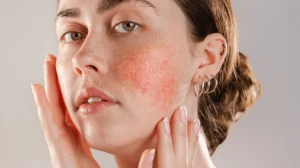
Before delving into the various rejuvenation therapies, it’s essential to understand how the aging process affects our skin. As we age, our skin undergoes several changes, including a decrease in collagen production, loss of elasticity, and the formation of wrinkles and fine lines. Additionally, factors such as sun exposure, lifestyle choices, and genetics can accelerate the aging process, leading to premature signs of aging.
The Role of Collagen and Elastin:
Collagen and elastin are two essential proteins that maintain the structure and elasticity of our skin. Collagen provides strength and support, while elastin allows our skin to stretch and bounce back to its original shape. However, as we age, the production of these proteins decreases, resulting in sagging skin and the formation of wrinkles.
Injectable Treatments:
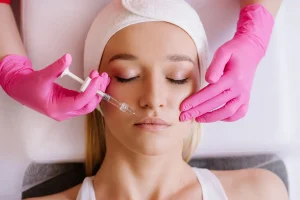
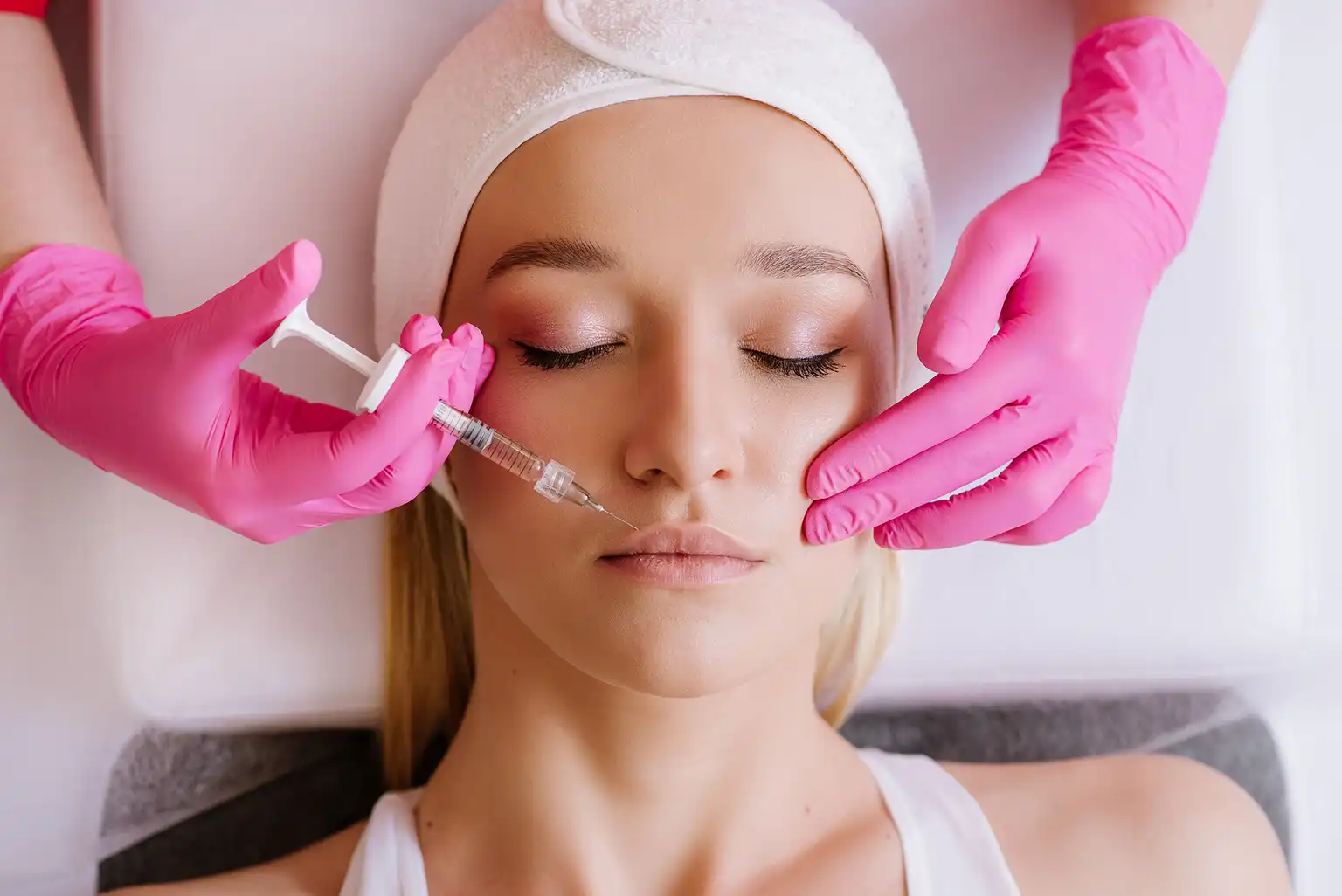
Injectable treatments such as dermal fillers and neuromodulators have revolutionized the field of aesthetic medicine by offering quick and effective solutions for combating signs of aging. Dermal fillers, typically composed of hyaluronic acid, are injected into the skin to restore volume, smooth wrinkles, and enhance facial contours. Neuromodulators like Botox® work by temporarily relaxing facial muscles, reducing the appearance of dynamic wrinkles such as crow’s feet and frown lines.
Laser and Energy-Based Treatments:
Laser and energy-based treatments utilize light or radiofrequency energy to target specific skin concerns, including pigmentation irregularities, acne scars, and skin laxity. These treatments work by stimulating collagen production and promoting cellular turnover, resulting in smoother, more youthful-looking skin. Fractional laser resurfacing, for example, creates controlled micro-injuries in the skin, triggering the body’s natural healing response and collagen remodeling.
Platelet-Rich Plasma (PRP) Therapy:
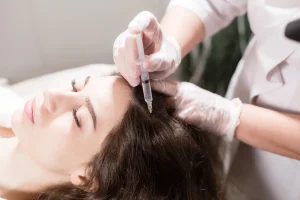
Platelet-rich plasma (PRP) therapy is a regenerative treatment that harnesses the healing properties of your blood to stimulate tissue repair and rejuvenation. During the procedure, a small sample of blood is drawn from the patient and processed to isolate the platelet-rich plasma. The PRP is then injected into the skin to promote collagen production, improve skin texture, and enhance overall skin tone.
Microneedling:
Microneedling, also known as collagen induction therapy, is a minimally invasive treatment that involves creating tiny micro-injuries in the skin using fine needles. These micro-injuries stimulate the body’s natural healing process, leading to increased collagen and elastin production. Microneedling is effective in reducing the appearance of wrinkles, acne scars, and hyperpigmentation, resulting in smoother, more radiant skin.
Conclusion:
In conclusion, the science behind skin rejuvenation therapies is continuously evolving, offering patients a wide range of options to address their unique skincare concerns. Whether you’re seeking to smooth wrinkles, improve skin tone, or restore youthful vitality, there’s a rejuvenation therapy tailored to your needs. By understanding the underlying mechanisms of these treatments, individuals can make informed decisions about their skincare regimen and embark on the journey to healthier, more youthful-looking skin.