
Hair loss is a common concern that affects millions of people worldwide, regardless of age, gender, or ethnicity. While some individuals experience hair loss as a natural part of aging, others may be affected by genetic predisposition, hormonal imbalances, or underlying medical conditions. Understanding the root causes of hair loss and exploring effective treatment options can help individuals regain confidence and achieve healthier, fuller-looking hair.
The Causes of Hair Loss:
Hair loss can be attributed to a variety of factors, including genetics, hormonal changes, stress, nutritional deficiencies, and certain medical conditions. Androgenetic alopecia, also known as male or female pattern baldness, is the most common cause of hair loss and is hereditary in nature. Hormonal imbalances, such as those associated with pregnancy, menopause, or thyroid disorders, can also contribute to hair loss by disrupting the natural hair growth cycle.
Effective Treatment Options:
Fortunately, advancements in medical technology have led to the development of several effective treatment options for hair loss. From topical solutions to regenerative therapies, individuals now have a variety of options to address their hair loss concerns and achieve thicker, fuller hair.
Topical Treatments:
Topical treatments such as minoxidil, also known as Rogaine, are widely used to promote hair growth and prevent further hair loss. Minoxidil works by increasing blood flow to the scalp and stimulating hair follicles, resulting in improved hair growth and density. While minoxidil is available over the counter, it’s essential to use it consistently to see optimal results.
Prescription Medications:
Prescription medications like finasteride, also known as Propecia, are commonly prescribed to treat male pattern baldness. Finasteride works by inhibiting the conversion of testosterone into dihydrotestosterone (DHT), a hormone that contributes to hair loss. By reducing DHT levels, finasteride can help slow down hair loss and promote hair regrowth in men.
Regenerative Therapies:
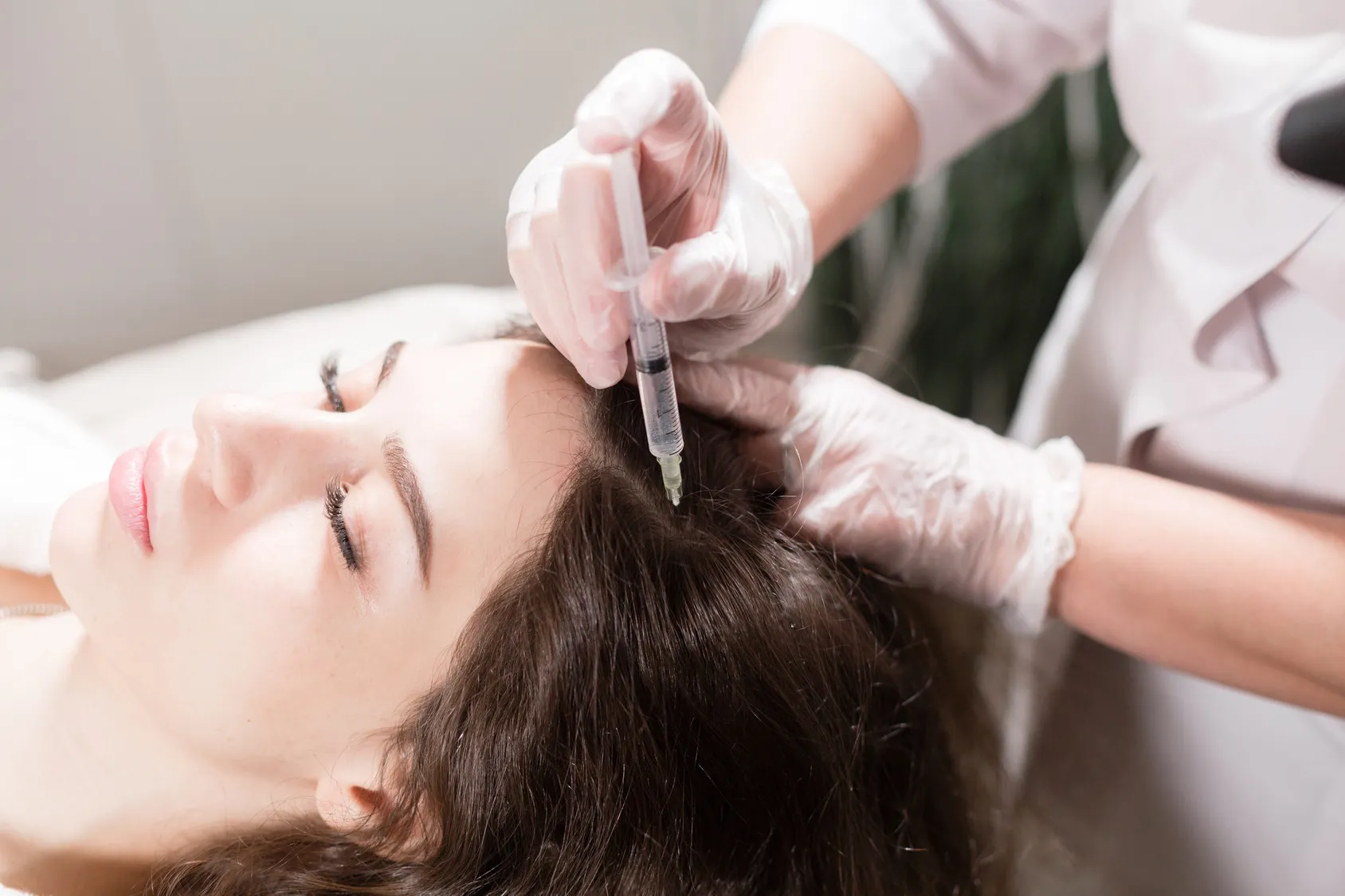
Regenerative therapies such as platelet-rich plasma (PRP) and stromal vascular fraction (SVF) therapy harness the body’s natural healing mechanisms to stimulate hair growth and improve scalp health. PRP therapy involves injecting concentrated platelets from the patient’s blood into the scalp to promote hair regrowth and improve hair density. Similarly, SVF therapy utilizes the regenerative capabilities of adipose-derived stem cells to stimulate hair follicles and enhance hair growth.
Lifestyle Modifications:
In addition to medical treatments, making lifestyle modifications can also help improve hair health and prevent further hair loss. Eating a balanced diet rich in vitamins, minerals, and essential nutrients can promote hair growth and strengthen hair follicles. Managing stress levels through relaxation techniques, exercise, and adequate sleep can also help reduce hair loss caused by stress-related factors.
Conclusion:
Hair loss can have a significant impact on self-esteem and quality of life, but effective treatment options are available to address this common concern. By understanding the underlying causes of hair loss and exploring various treatment options, individuals can take proactive steps to restore their hair and regain confidence in their appearance. Whether it’s topical treatments, prescription medications, or regenerative therapies, there’s a solution tailored to each individual’s unique needs.