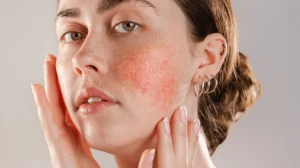
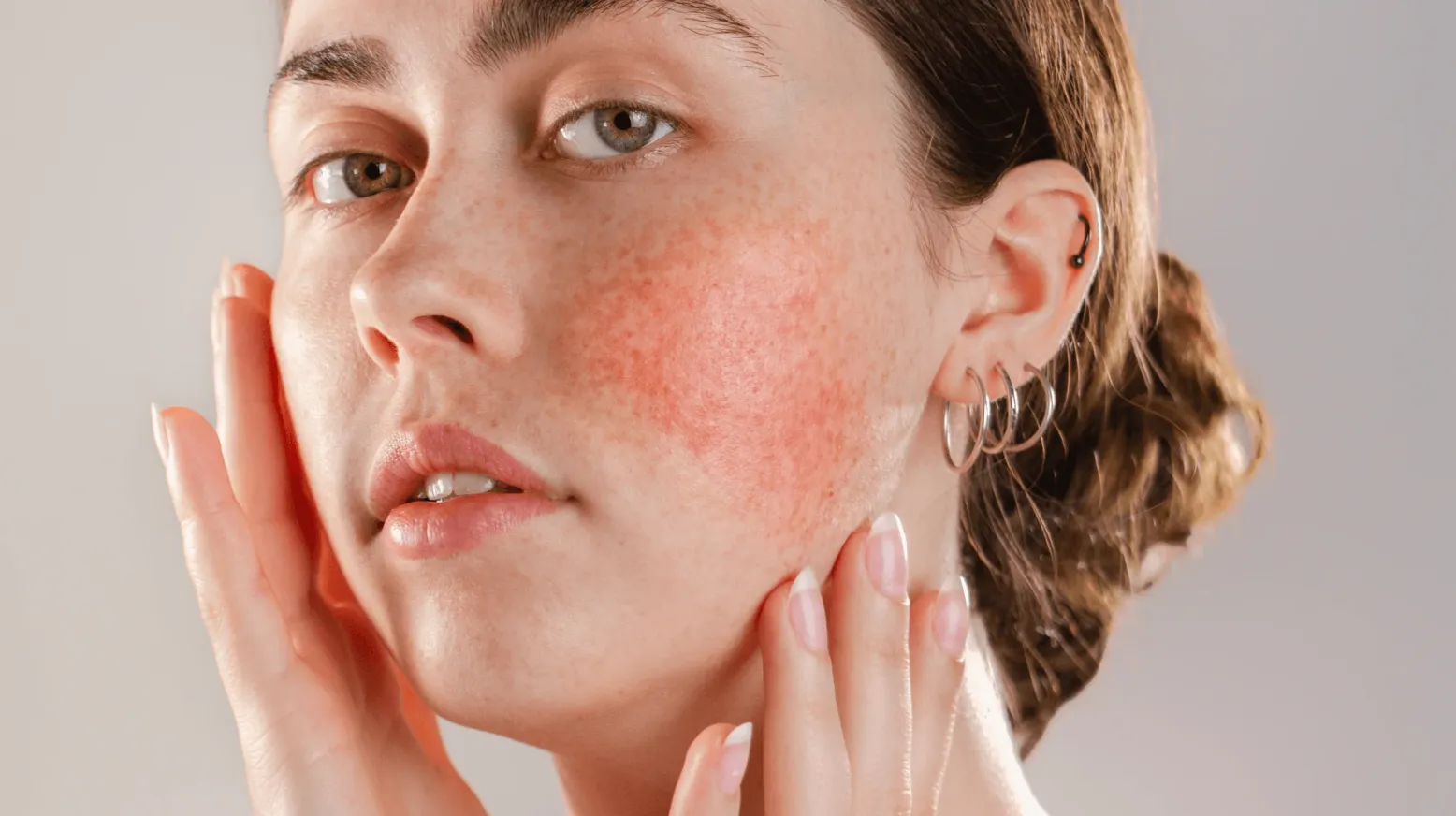
Rosacea is a chronic skin condition characterized by redness, flushing, visible blood vessels, and sometimes, acne-like bumps. While there is no cure for rosacea, a comprehensive treatment approach can help manage symptoms effectively and improve overall skin health. Understanding the underlying causes of rosacea and exploring personalized treatment options is essential for individuals seeking relief from this common skin condition.
Understanding Rosacea:
Rosacea is a multifactorial condition with a variety of triggers, including environmental factors, lifestyle choices, genetics, and immune system reactions. While the exact cause of rosacea remains unknown, factors such as sun exposure, spicy foods, alcohol, stress, and certain skincare products can exacerbate symptoms and trigger flare-ups. Additionally, individuals with fair skin, a family history of rosacea, or a compromised skin barrier may be more prone to developing rosacea.
Comprehensive Treatment Approach:
Treating rosacea requires a multifaceted approach that addresses both the symptoms and underlying causes of the condition. A personalized treatment plan tailored to each individual’s specific symptoms, skin type, lifestyle, and triggers is essential for achieving optimal results and managing rosacea effectively.
Professional Procedures:
Professional procedures such as tailored peelings, laser therapy, and mesotherapy can help manage rosacea symptoms and improve overall skin health. Chemical peels containing ingredients like salicylic acid or mandelic acid can exfoliate the skin, reduce redness, and unclog pores, while laser therapy can target visible blood vessels and reduce redness associated with rosacea.
Skincare Recommendations:
In addition to professional procedures, establishing a gentle skincare routine is crucial for individuals with rosacea-prone skin. Opting for non-irritating, fragrance-free skincare products and avoiding harsh ingredients like alcohol, menthol, and fragrances can help prevent irritation and minimize flare-ups. Gentle cleansing, moisturizing, and daily sun protection are essential steps in maintaining a healthy skin barrier and reducing rosacea symptoms.
Lifestyle Modifications:
Making lifestyle modifications can also help manage rosacea symptoms and reduce the frequency and severity of flare-ups. Avoiding triggers such as sun exposure, spicy foods, alcohol, and hot beverages can help minimize redness and flushing. Practicing stress-reduction techniques like meditation, yoga, and deep breathing exercises can also help calm the nervous system and reduce stress-related flare-ups.
Conclusion:
Living with rosacea can be challenging, but with the right treatment approach, individuals can effectively manage symptoms and improve overall skin health. By understanding the underlying causes of rosacea and exploring personalized treatment options, individuals can take proactive steps to reduce redness, minimize flare-ups, and achieve clearer, calmer skin. Whether it’s professional procedures, skincare recommendations, or lifestyle modifications, there’s a comprehensive approach to rosacea treatment tailored to each individual’s unique needs.